Media & Press
Dr. Kevin J. Payne
Social psychologist and speaker on stress, burnout, and performance under pressure.
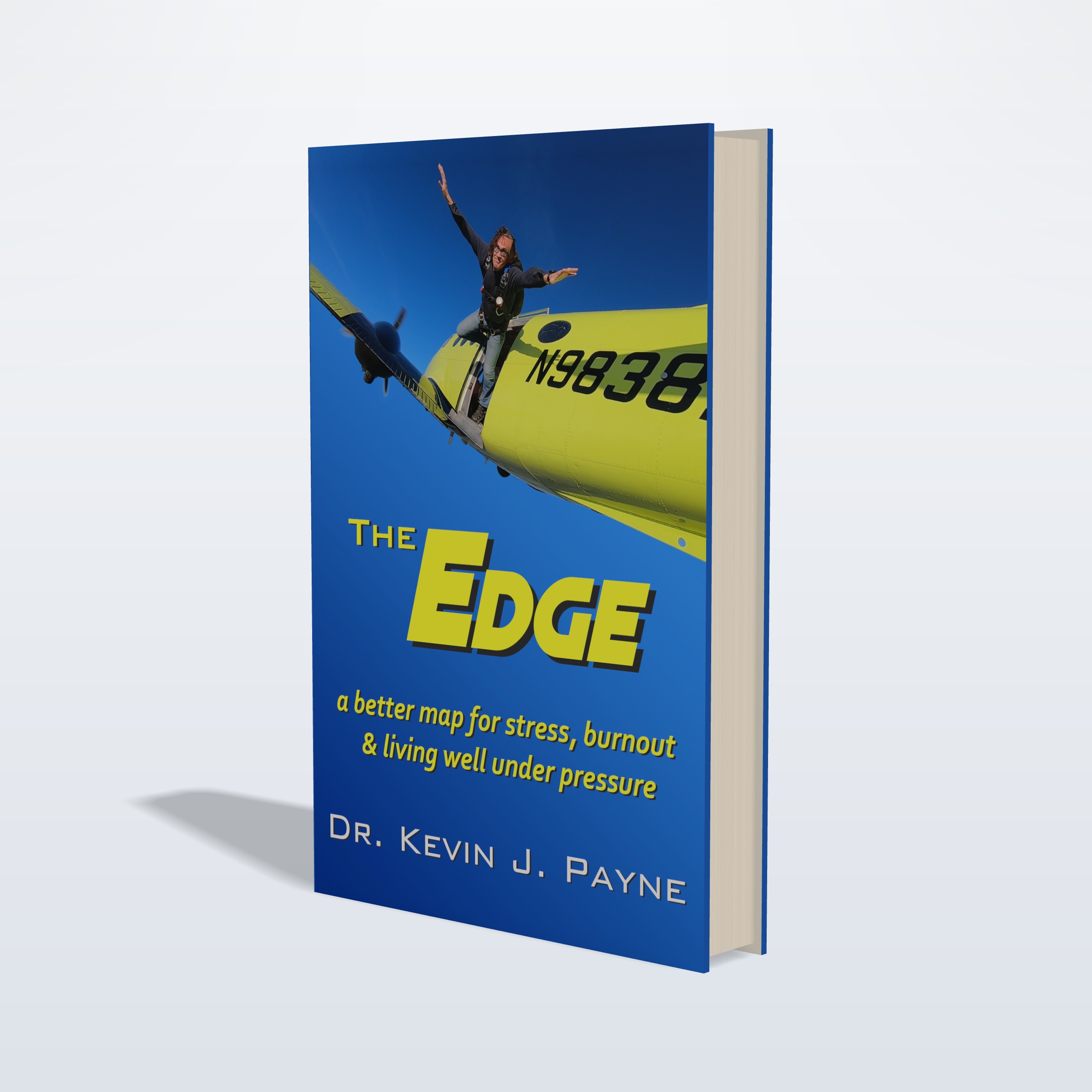
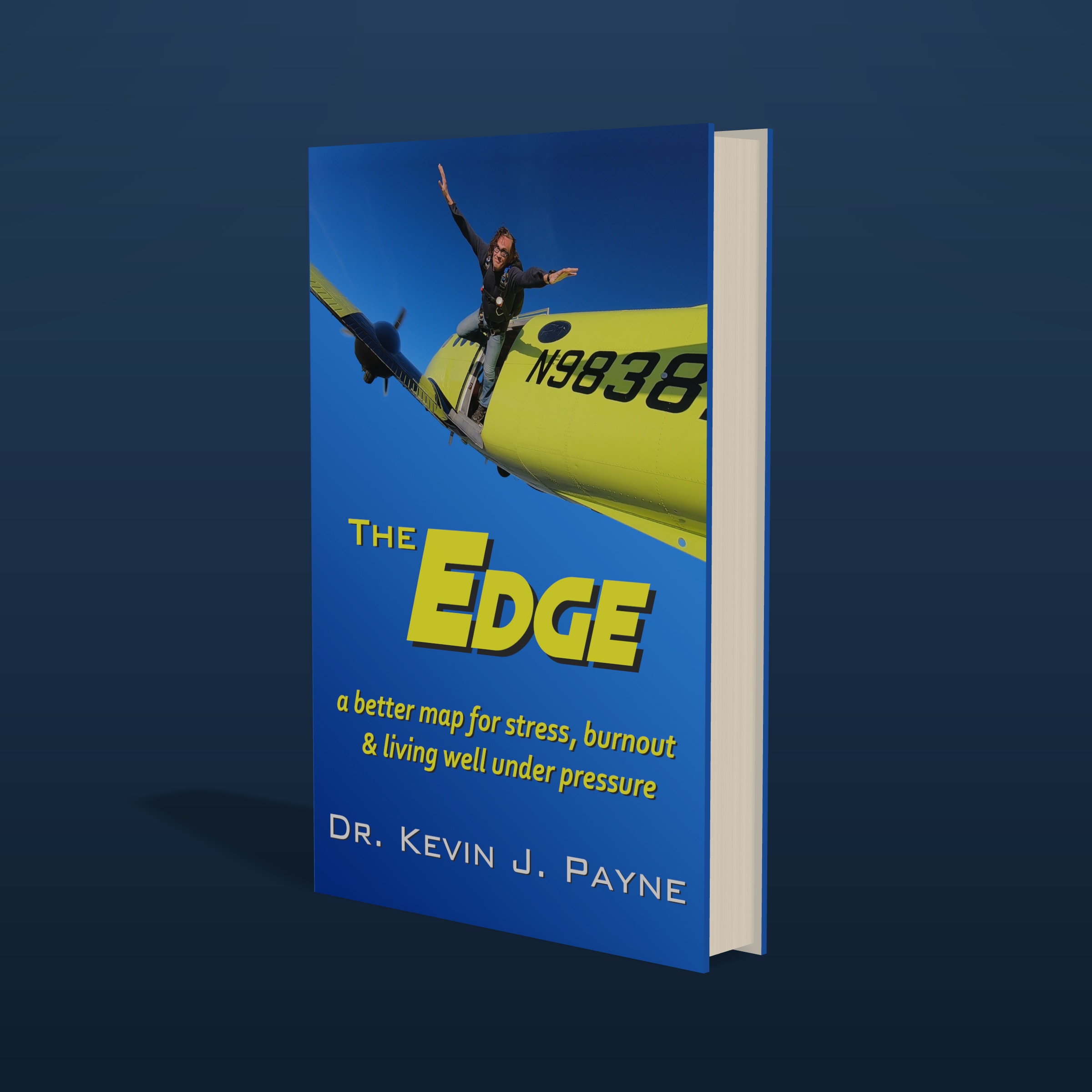
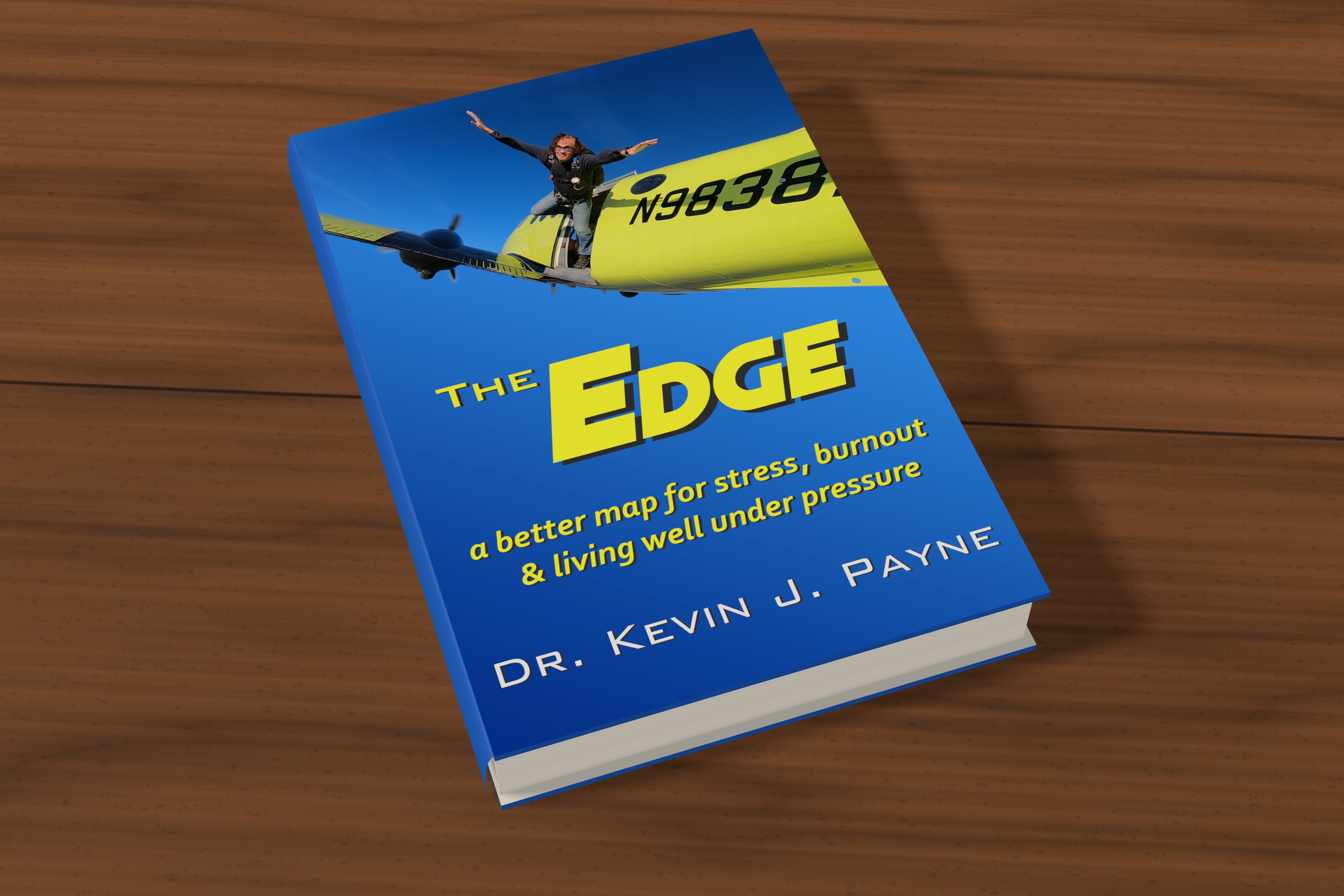
Most stress advice was built for pressure that ends: push hard, recover, repeat. Dr. Payne studies what happens when it doesn’t end — and what people can do when the usual advice stops working. He is the author of The Edge: a better map for stress, burnout & living well under pressure (November 17, 2026).

30+
years of research in social and behavioral science
Ph.D.
Sociology & Psychology, University of Missouri
600+
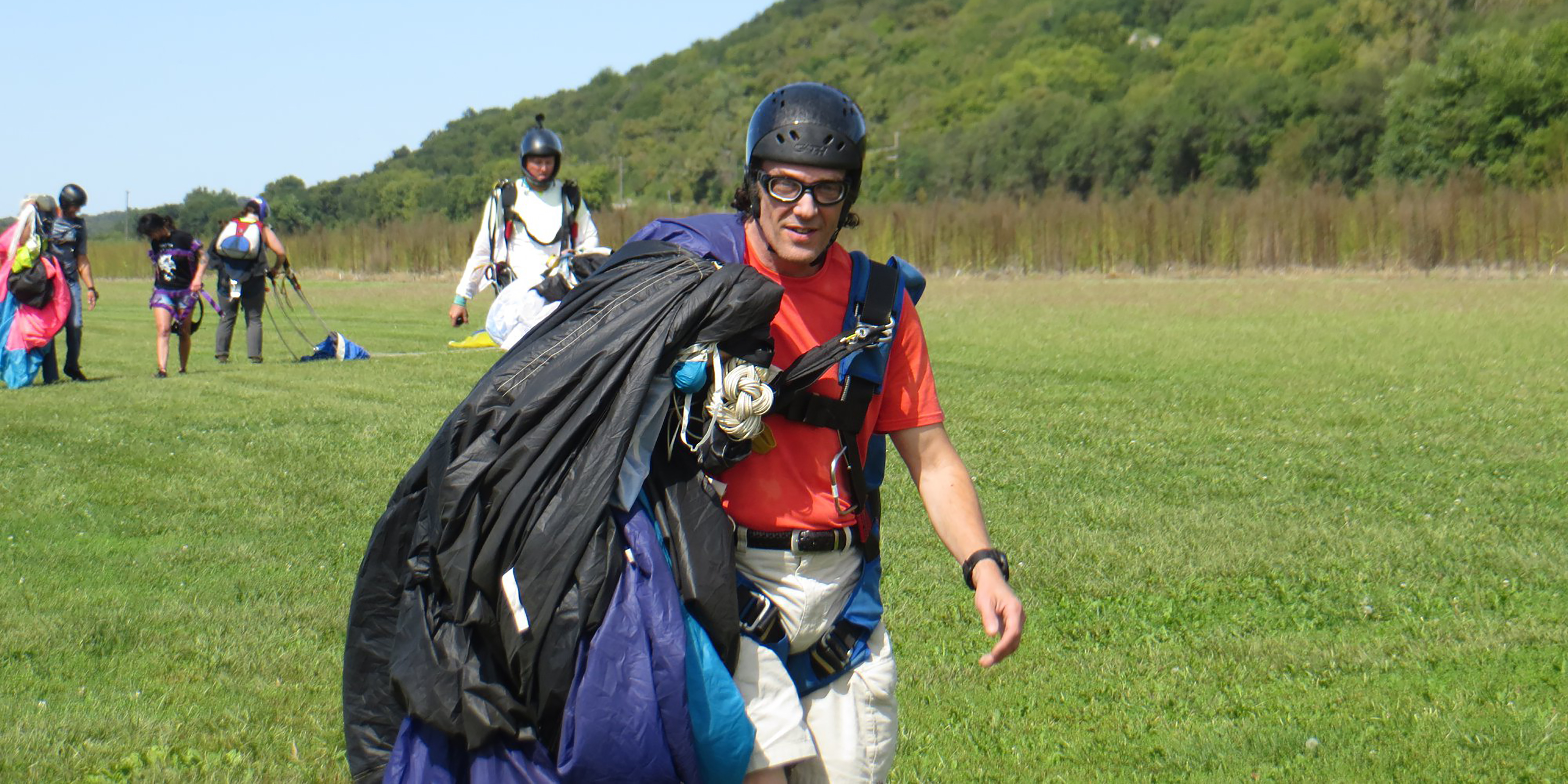
skydives, including 370 in 2020, while living with MS
70+
podcast and live-show interviews
Watch & listen
Six short clips from interviews, including two live broadcasts. Each has closed captions (CC in the player).
The wave-off
27 seconds from impact, and the choice to save yourself. How a skydive became a model for finding agency when no system can do the living for you.
Read transcript
I am at 5,000 feet, headed to the earth at 120 miles an hour, the instant that shot is taken. That means I have 27 seconds left to live, less than a TV commercial, unless I deploy my parachute. And so what I’m doing, I’ve got my hands up here just like this, and I’m about to sweep them out in a broad gesture, and that’s called the wave-off. It’s a universal skydiving gesture. And what it means is I am warning everyone in my airspace that I am about to take action to save myself.
And self-help is what we’ve got when the system fails us. And most of us can agree that the system kind of sucks. So this is about, in no uncertain terms, when that shot is taken, I would have died in 27 seconds. But my wonky body with the MS, I still figured out a way to trust it and trust myself to save myself in that extreme position every day. That means tripping the acute stress response, learning to deal with it, learning to function effectively through it, and then allow myself to rest and recover and recharge and do it again the next day, every day, time after time after time.
Growth doesn’t happen on the edge
Why stress lives at the edge but growth happens when you pull back, and the two signs that it’s time to go home.
Read transcript
A chronic illness or chronic distress is always going to push us to the edge and keep us there. And one, we have to learn how to function better at the edge. But we also have to learn that we can’t always fight and we can’t always be up and we can’t always be on the edge. It’s a cycle. We have to take ourselves from what I call the edge back to our home. And at home, we’ve got to allow ourselves to rest and recover and recuperate and consolidate and sleep and nourish and all those things, because growth doesn’t happen on the edge. Stress happens on the edge. Stress can be good stress. We’ve got good stress, eustress. But after those experiences, we have to come back home to allow ourselves to grow and recover.
Rowena: How do you know it’s time to go home?
There’s actually a really practical answer to this. You’ll notice one of two things in your behaviors. One, either you start becoming inconsistent: succeed, fail, succeed, fail. Because at the edge, on one side of the edge, you succeed. On the other side, you fail. And so being inconsistent is an issue of being at an edge, period, full stop. The second thing is your edge is starting to drop. So in other words, the thing that you could do an hour ago or three hours ago, now you cannot. So if your edge is dropping or if you are becoming inconsistent, those are your behavioral cues that it is time for you to pull back and go home.
“Avoid stress” is bad advice
The most common advice after a diagnosis, and why it closes off the good stress along with the bad.
Read transcript
And when you get diagnosed with MS, one of the things that they tend to tell you is avoid stress. Well, I want to choke the living snot out of every medical professional that ever advises that, because life is stressful. Every day. And what we have to learn to do is to better frame stress. And so for me, jumping out of an airplane every day was about triggering my acute stress response every single day and then using my wonky body literally to save myself every time.
Tired, fatigued, exhausted
Three different states, not one. What happens to caregivers and people under chronic demand who never get to finish the recovery cycle.
Read transcript
So what I’m saying here is, medically, there is a difference between awake, tired, fatigued and exhausted. These are medically, qualitatively different stages. And fatigued is not just really, really tired. Because what happens is, if you’re awake, you’re spending your energy and it’s not a big deal. When you’re tired, as you start spending your energy, you can feel yourself winding down, in something that feels proportionate to the level of activity you have in front of you. When you pass that threshold into fatigue, that suddenly accelerates. There’s like a force multiplier that comes in, and you will start losing your resources, your abilities, faster than what it feels like you should be doing.
And because you can’t just sleep 20 hours and erase sleep debt, you get into a really bad set of physical and cognitive and emotional systems in your body. Humans were designed to recover from acute and emergent challenges. There’s this one challenge, we identify what the problem is, we engage our primal brain, that effort response, we handle it, and then we go back to our normal lives. But when you have a chronic challenge, like chronic illness, caregiving, soul-crushing poverty, you name it, these kinds of things that don’t go away, you never get a chance to go through that cycle in that healthy way. And your edges are getting pulled further in, so you’re easily overwhelmed. And that adds up, and you end up traumatized.
The triple hernia I didn’t feel
What happened when he got so good at ignoring pain that he missed a real signal, and why the skill is telling signal from noise.
Read transcript
Now, I will tell you there is a downside to this as well, and one that I had to learn. So about seven years ago or so, I had gotten myself to the point where I didn’t care about the pain so much. And I go into my GP for an annual checkup, and I’ve got my shirt off and he’s inspecting me, and he kind of looks at my torso and he gives me this puzzled look. And he leans in and he’s poking at my torso a little. And I’m looking at him like, what is this? And then he did more of an exam. And then he looked at me with a puzzled look and he said, “How are you even walking?” And I said, “I don’t understand.” And he said, “You have a massive triple hernia: both inguinals and the epigastric. You should be doubled over in pain. You shouldn’t even be walking around right now.”
And I was like, oops. So I went in and had triple hernia surgery. But my point was, I had so turned down my pain, which was good, but I hadn’t yet learned to discriminate which signals I should turn down and which I shouldn’t.
Inspiration lasts about this long
Why he isn’t in the inspiration business, and what has to happen after the feeling wears off.
Read transcript
I just want people to take the science and use the science and understand the science, because inspiration lasts for about this long. You can listen to this podcast and think, wow, that’s a really inspiring story. And then, you know, it’s like a bath. You’ve got to do it every day or you’re going to stink. And if you’re not continually inspired, you’re going to be depressed about the whole thing. So it lasts about this long.
What I’m concerned with is what we do after the inspiration fades. Sure, be inspired. Cool. But inspiration affects our primal brain, and it’s only about this long. So now use that little bit of inspiration, that little bit of motivation, to take the first step: humbly, carefully, consistently, even with all the failures, start interrogating your edges and building your new habits. Because those will last you forever.
Story angles
Each angle stands on its own. The human story gets a listener’s attention. The ideas are what they take away.
General audiences · business · health
Where the usual stress advice stops working
Breathe, exercise, take a vacation. Those tools work for pressure that eventually lets up. For caregivers, people with chronic illness, and workers who never get a real off-ramp, they often don’t — and people blame themselves when the tools fail. Dr. Payne explains why the problem is usually the map, not the person.
Science · health · lifestyle
Stress is a signal, not an enemy
We are told to reduce stress, manage it, get rid of it. Dr. Payne argues that stress is information: a running estimate of how much is being asked of you compared with what you have left, shaped by whether you believe you can make a difference. Read the signal first. Then decide what to do about it.
Business · HR · healthcare leadership
Burnout is a broken relationship, not just overwork
Organizations keep adding wellness perks, and good people keep leaving. Dr. Payne frames burnout as a breakdown of respect, trust, and hope between people and the systems they work in — a diagnosis leaders can do something about, and one that stops treating burnout as a personal failing.
Features · human interest
370 jumps in a pandemic year
In 2020, a stress researcher living with multiple sclerosis made 370 skydives — a deliberate N-of-1 experiment in triggering his own acute stress response, over and over, in a body under chronic strain. What he learned at terminal velocity is part of the framework. As he puts it, physics gives honest feedback.
Caregiving · chronic illness · disability
The weight you can’t see
Caregivers and people with chronic illness carry a workload their colleagues never see — broken sleep, medical crises, constant vigilance — and are expected to perform like everyone else. Dr. Payne has carried it as a patient and as a caregiver through his wife’s advanced cancer.
Timely: November is National Family Caregivers Month
Health · wellness · workplace
Tired, fatigued, exhausted: three different problems
We treat them as more and less of the same thing. They aren’t. Tiredness responds to rest. Fatigue arrives faster than it should. Exhaustion is the point where ordinary rules stop applying. Telling them apart changes what actually helps.
Seasonal hooks: holiday stress; New Year resets that don’t stick; National Family Caregivers Month (November).
Timely commentary: layoffs and return-to-office mandates; anxiety about AI and jobs; new research on burnout, caregiving and workplace wellbeing.
Have an angle in mind? Email inquiry@yourlifelivedwell.com with “Media request: The Edge” in the subject line.
Suggested questions
A starting point. Dr. Payne is comfortable going off-script.
- You say stress is a signal. A signal of what?
- Why does the standard stress advice fail so many people?
- What does “the edge” actually mean?
- Why do you call burnout a broken relationship?
- You made 370 skydives in one year. What were you testing?
- You’re a stress researcher who lives with MS. What did the illness teach you that the research didn’t?
- What’s the difference between being tired, fatigued, and exhausted?
- What should a manager notice before someone burns out?
- What do caregivers need that no one is giving them?
- If someone is running on empty right now, where should they start?
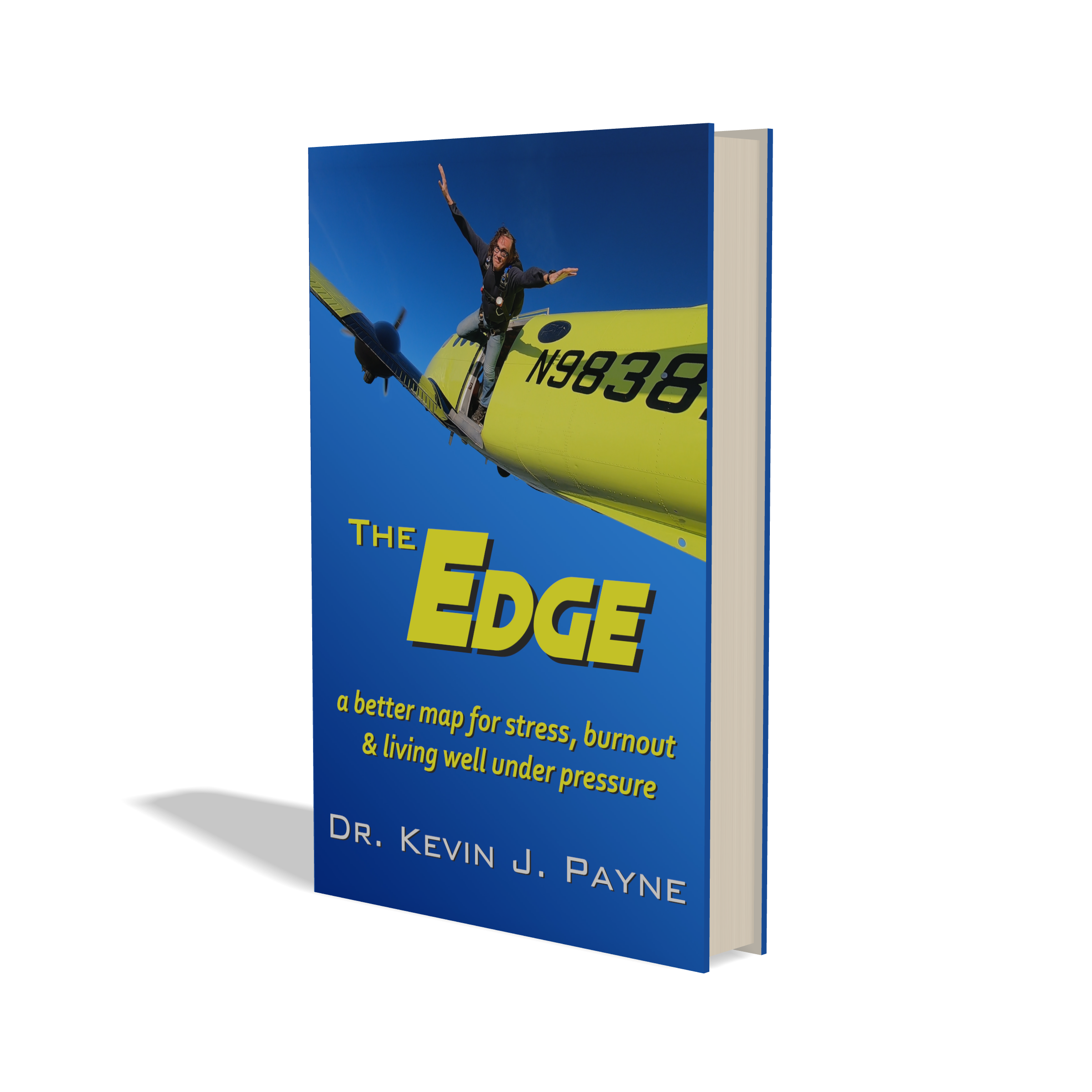
The book · November 17, 2026
The Edge
The dominant frameworks for understanding stress were largely built from a narrower region of human experience: pressure that is bounded and recoverable. The Edge is about the rest: the chronic, cumulative, invisible demand that many people live with and the standard frameworks barely describe. It offers a broader map of stress states, a practical account of recovery as a daily budget, and a way to match what you’re facing with what will actually help.
The first 90 pages are available free now.
Hardcover, softcover and ebook. Complimentary review copies are available to media on request.
Bios & host introduction
Use as written or trim to fit. Preferred: Dr. Kevin J. Payne, social psychologist and author of The Edge. Short form: Dr. Payne.
One line
Dr. Kevin J. Payne is a social psychologist and speaker on stress, burnout, and performance under pressure, and the author of The Edge.
Short bio about 60 words
Dr. Kevin J. Payne is a social psychologist who studies stress, burnout, and performance where the usual advice stops working. He has lived that terrain as well: multiple sclerosis, caregiving through his wife’s advanced cancer, deep burnout, and more than 600 skydives. His framework, The Edge, is the subject of his new book, The Edge: a better map for stress, burnout & living well under pressure.
Standard bio about 150 words
Dr. Kevin J. Payne is a social psychologist, keynote speaker, and the author of The Edge: a better map for stress, burnout & living well under pressure. He spent 15 years as a professor and more than three decades in research, specializing in research methods, data science, and why people succeed or fail under difficult conditions.
Then life tested the research. He lives with multiple sclerosis, was primary caregiver through his wife’s advanced cancer, and burned out in ways the standard tools couldn’t reach. He also ran an experiment of his own: more than 600 skydives, 370 of them in 2020, deliberately cycling his stress response in a body under chronic strain.
The Edge is what came back from that terrain — a more accurate map of the stress signal, why common advice fails where it does, and what people and organizations under relentless demand can actually do. He holds a Ph.D. in Sociology and Psychology from the University of Missouri and lives in the Kansas City area.
Host introduction about 30 seconds, written to be read aloud
Most advice about stress and burnout is built for pressure that eventually lets up. My guest studies what happens when it doesn’t. Dr. Kevin J. Payne is a social psychologist who has lived that terrain himself — through multiple sclerosis, caregiving, burnout, and more than 600 skydives. His new book is The Edge: a better map for stress, burnout, and living well under pressure. Dr. Payne, welcome.
As heard on & in print
A selection from more than 70 podcast, video and live-show interviews.
Podcasts & video
Also: Tough Talks · The Christian Reeve Podcast · From Survivor to Thriver · Talking Taboo with Tina · Revelations with Rowena · Unstuck · That’s So Chronic · Chronically Real · Relatively Damaged · One Moment Please · Mentally in Pajamas · Create with Franz Sidney · How to Rewrite Your Stars · Battle2Be · and many more.
In print
Photos & downloads
High-resolution images are free to use with coverage. Click any photo for the full-size file.
Headshots
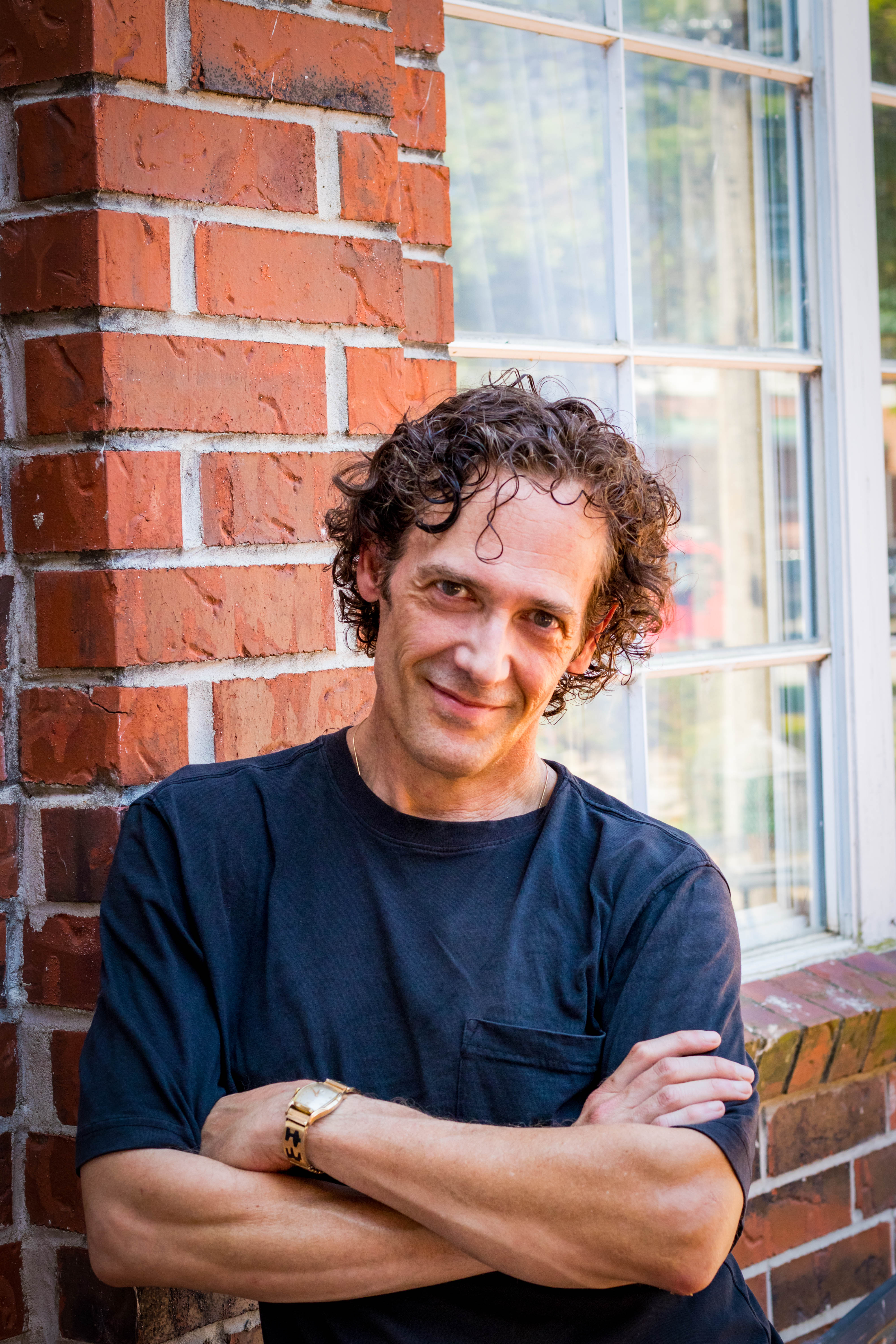 Vertical · 4000 × 6000
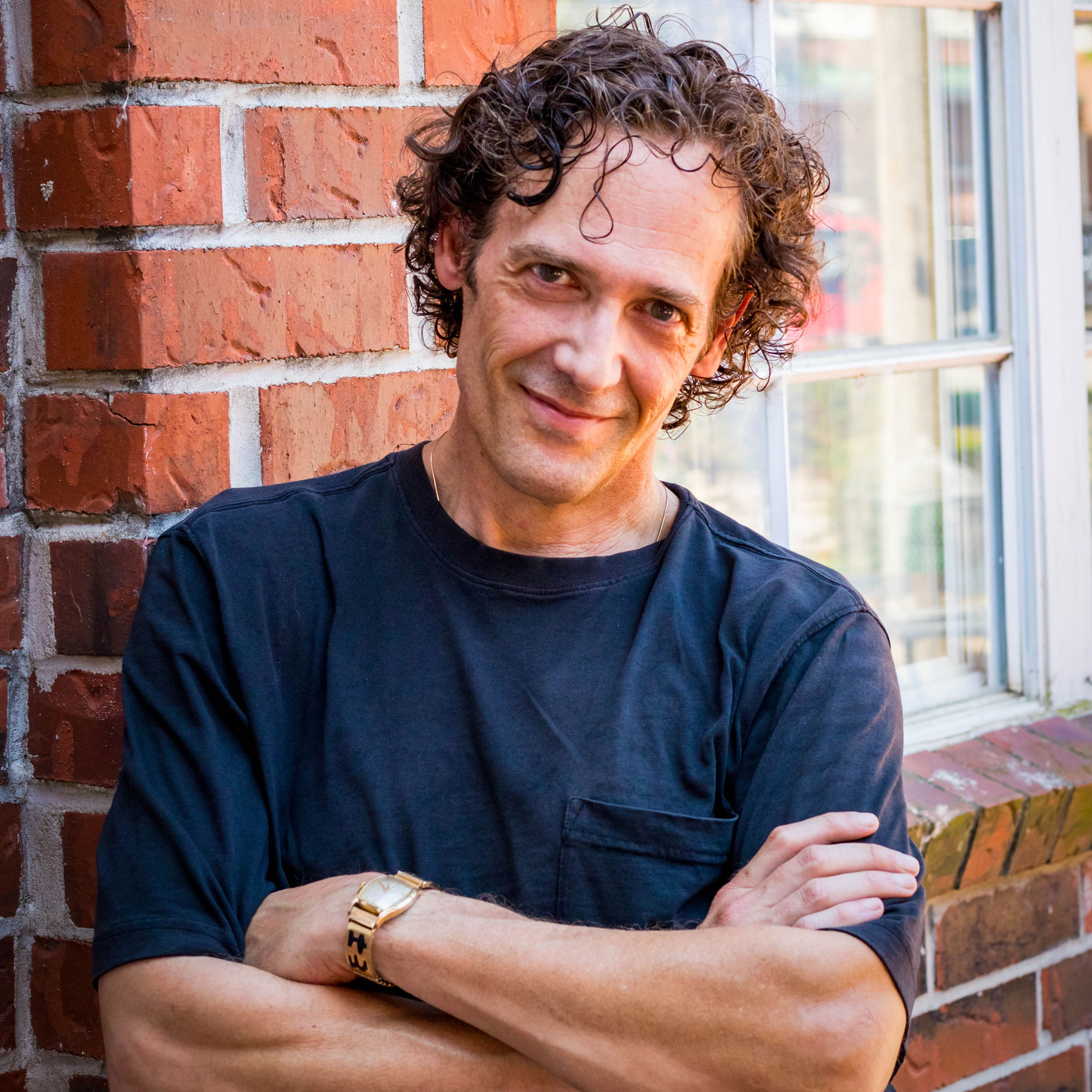 Square · 2000 × 2000
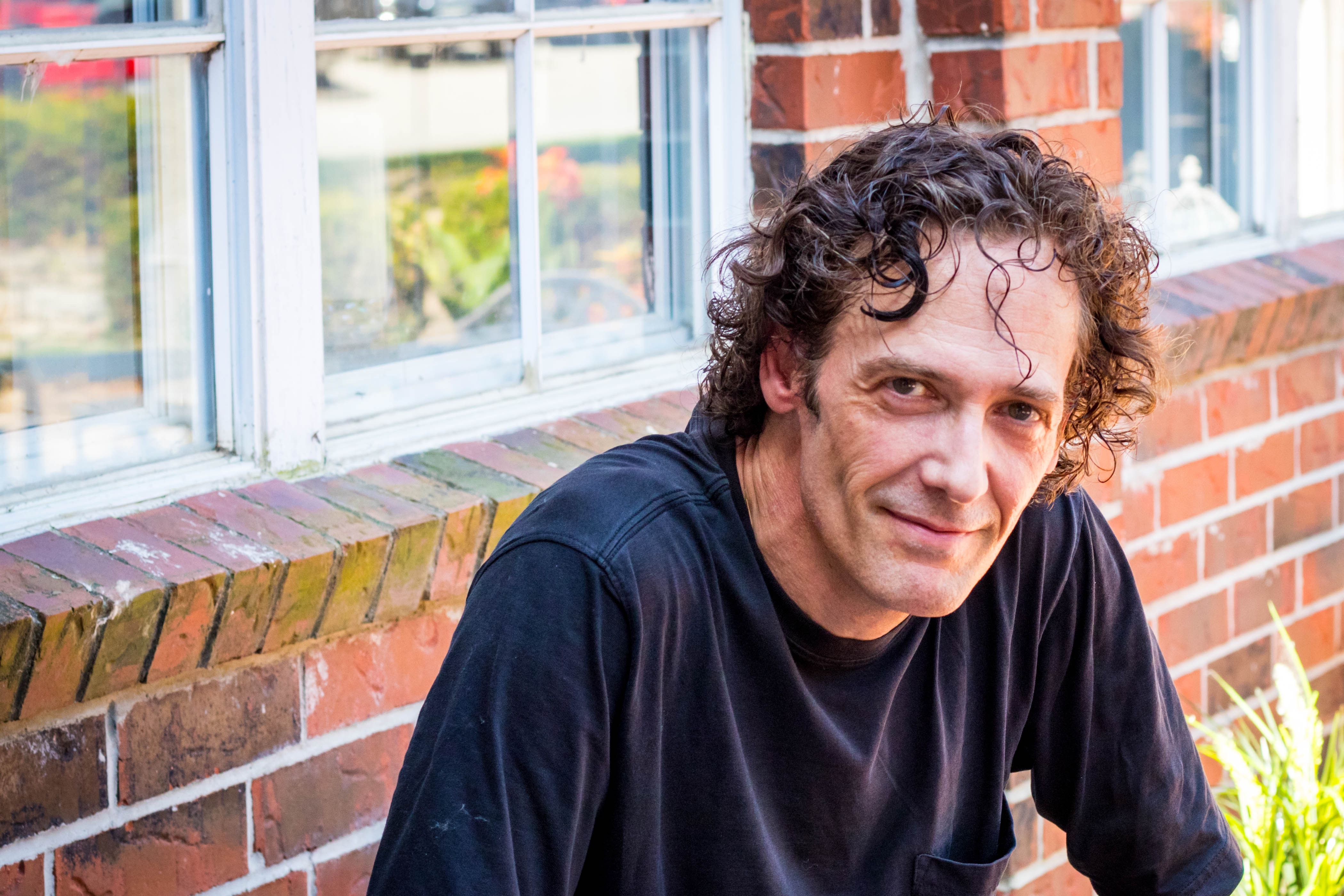 Horizontal · 4200 × 2800
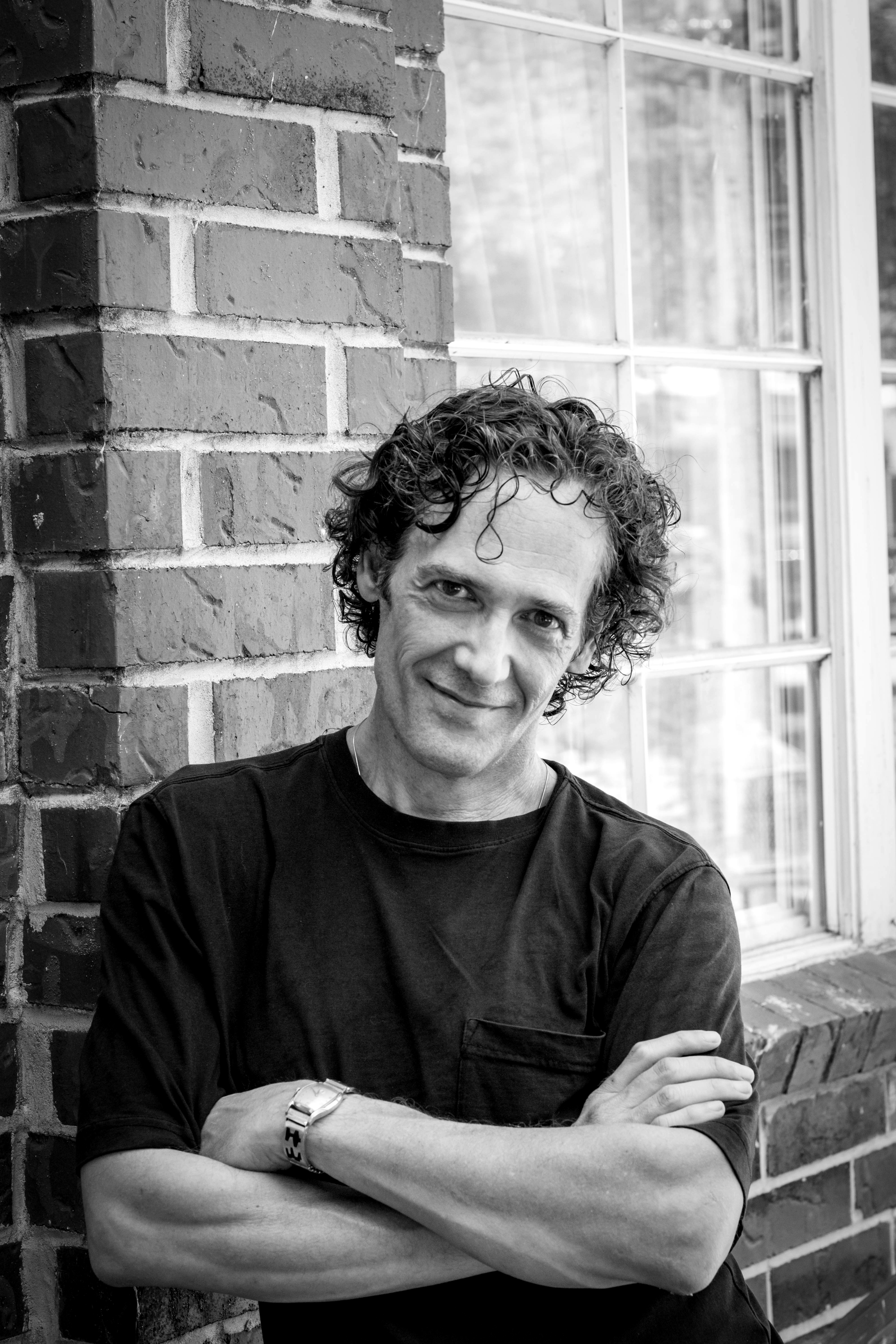 Black & white · 4000 × 6000
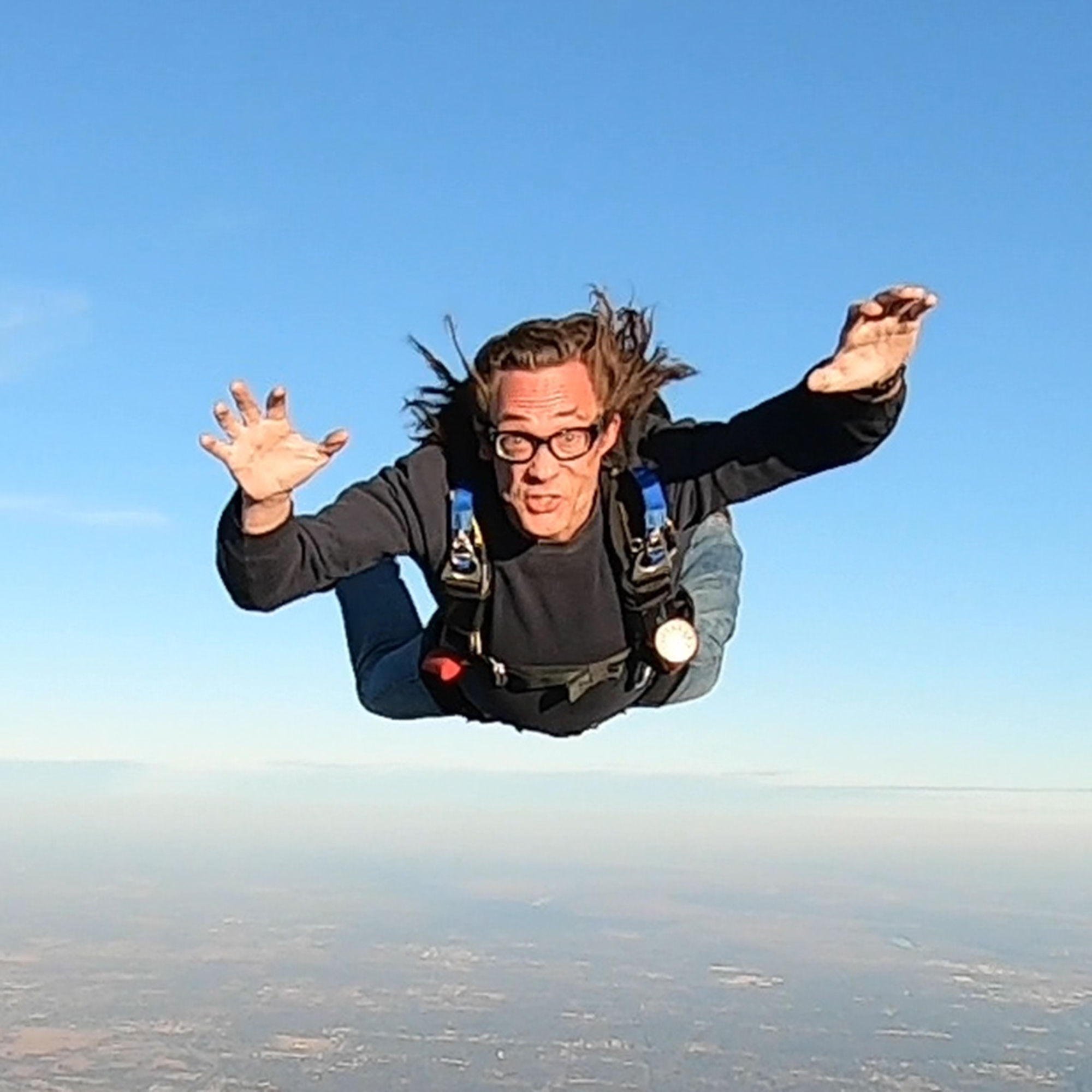 Freefall · 2000 × 2000
Credit: Courtesy of Dr. Kevin J. Payne.
Skydiving
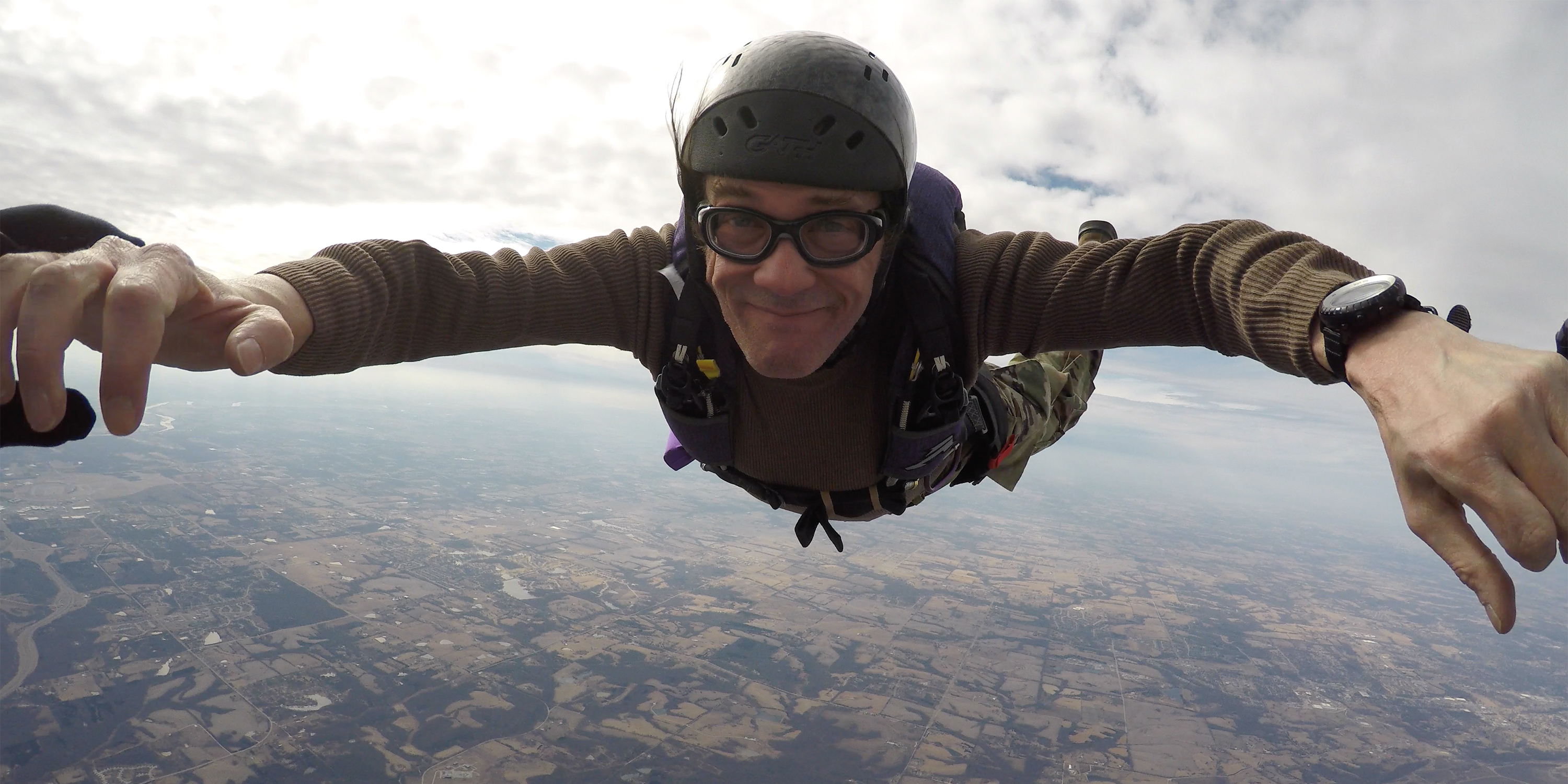
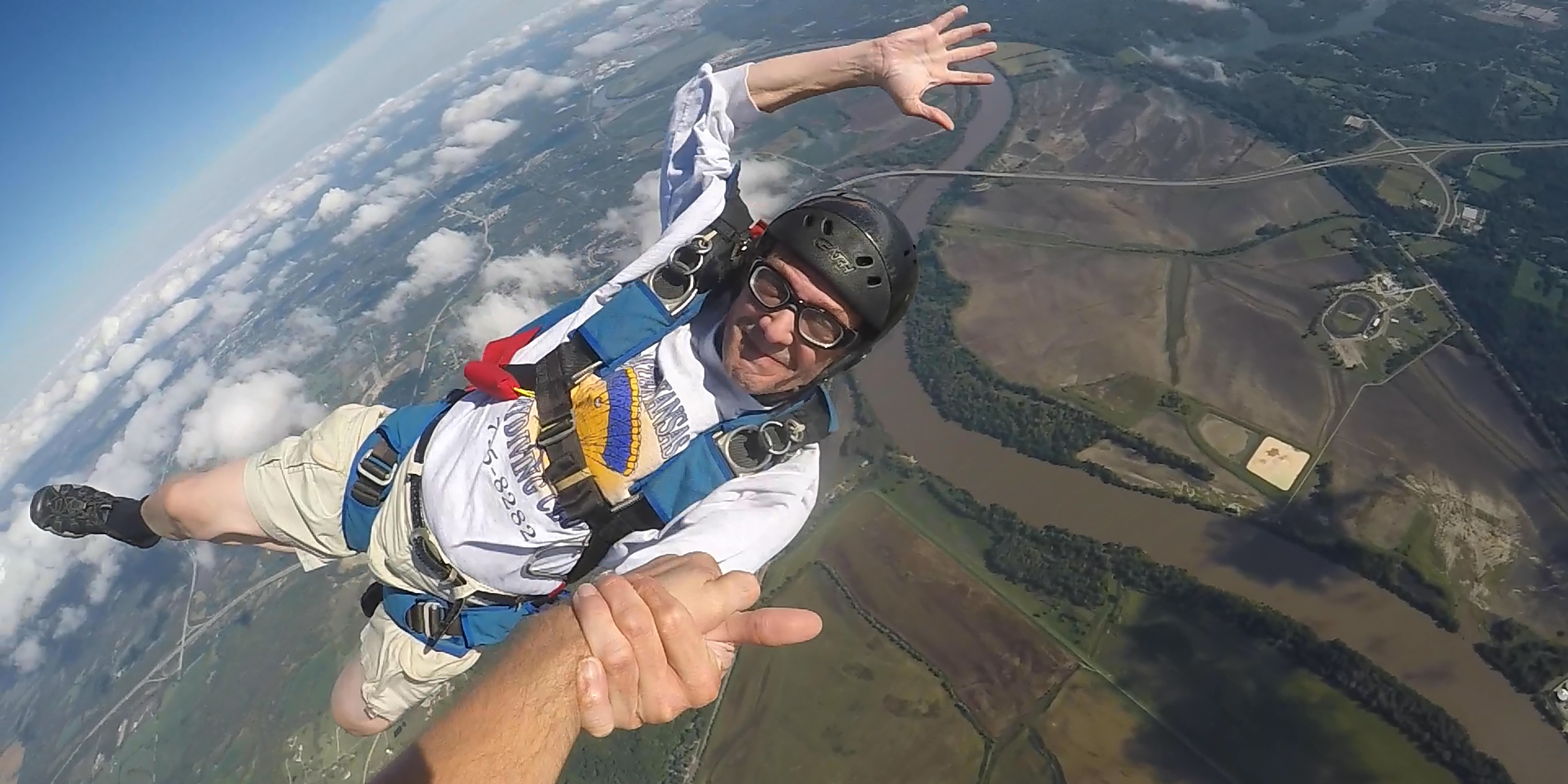
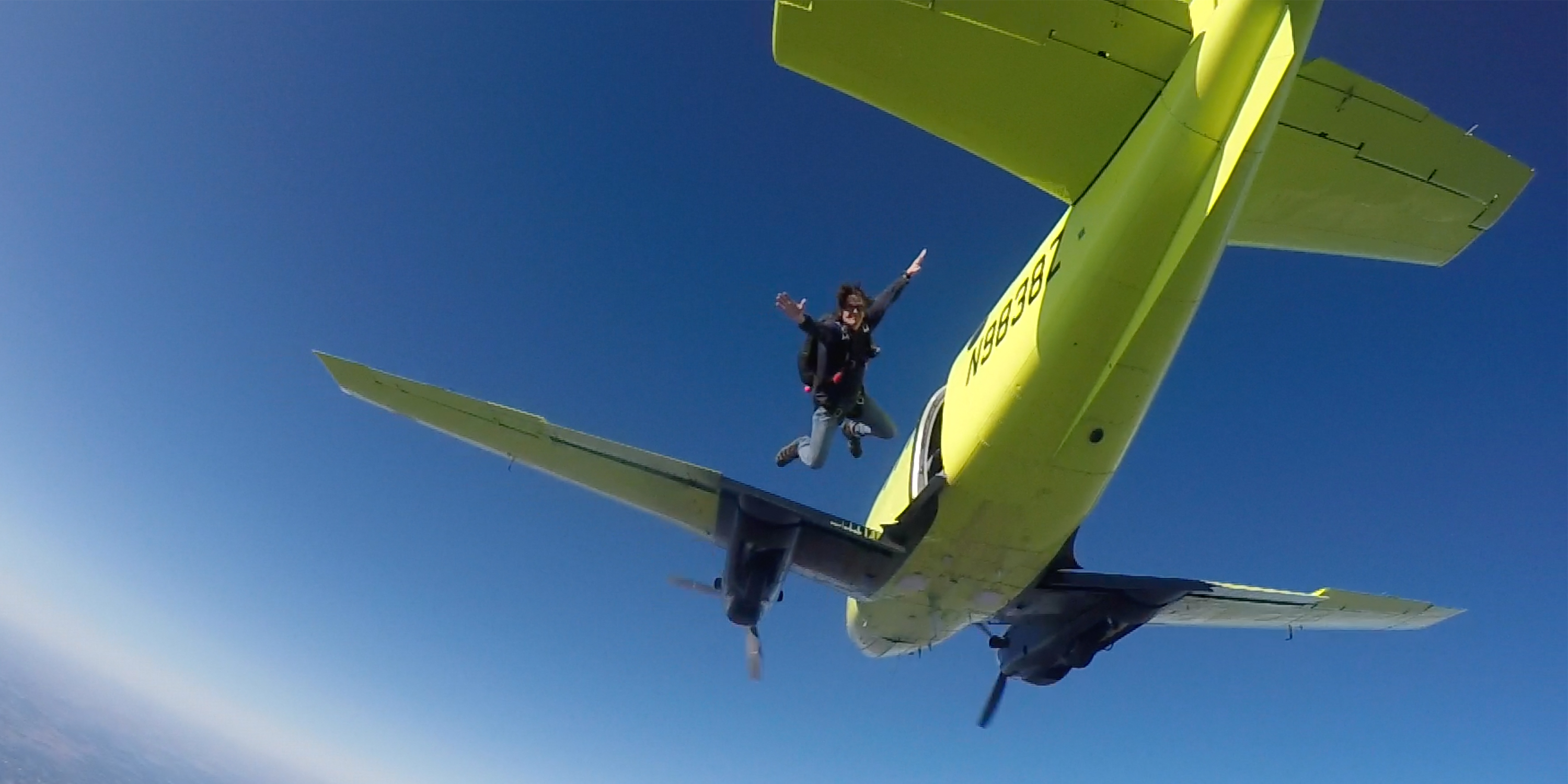
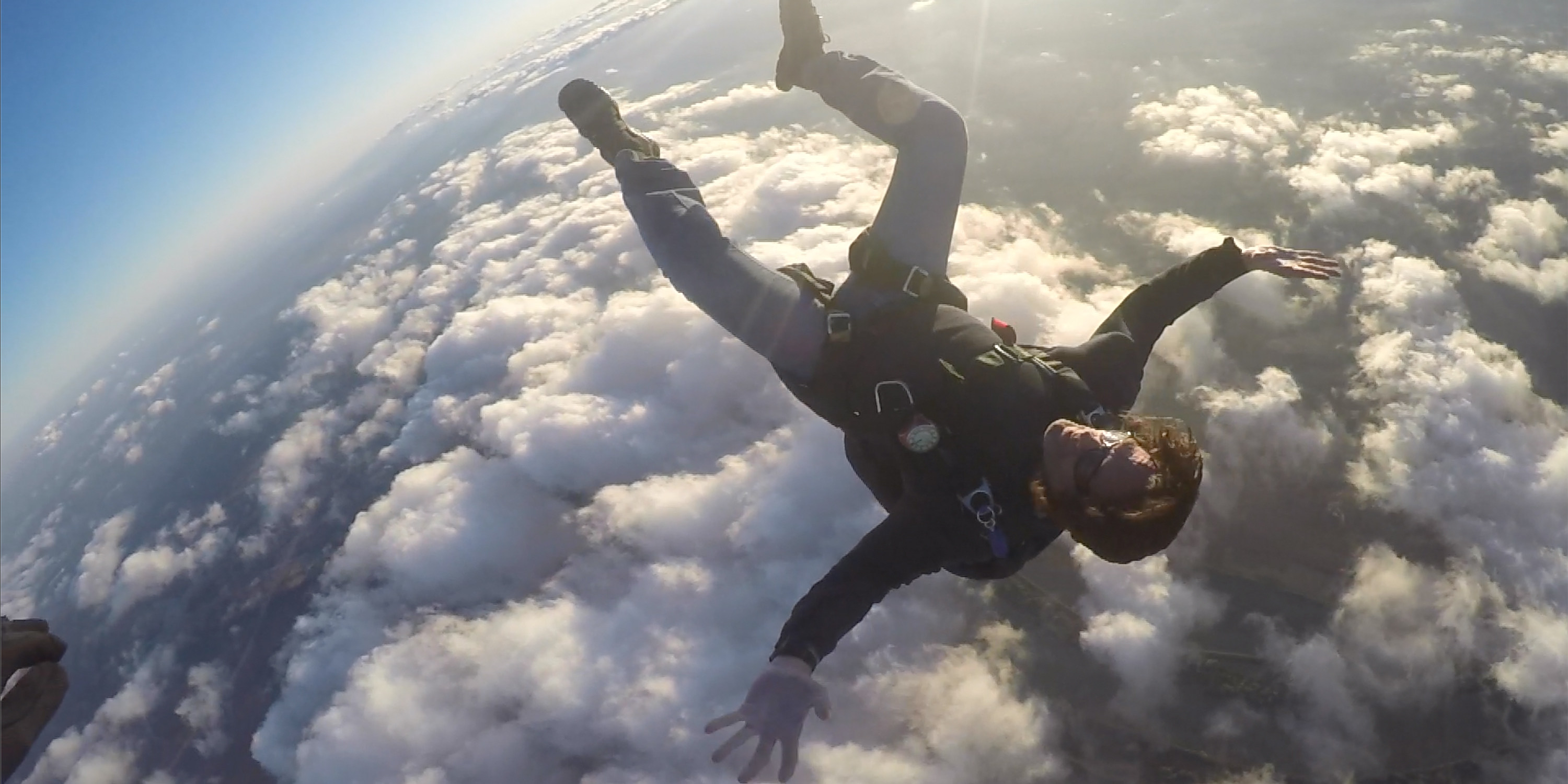
3000 × 1500 JPEGs. Credit: Courtesy of Dr. Kevin J. Payne.
On stage & in studio
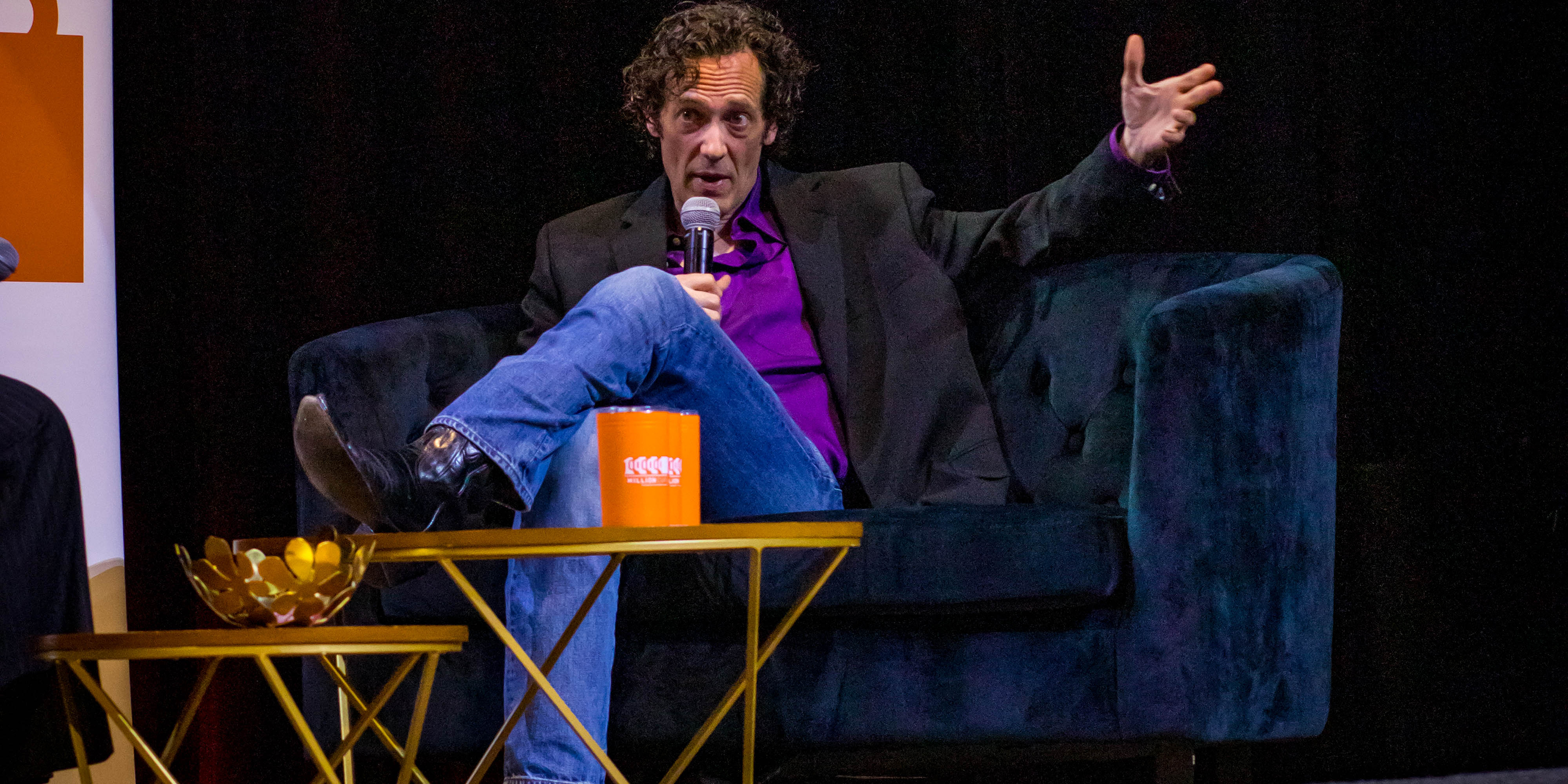 1 Million Cups, Kansas City · 3000 × 1500
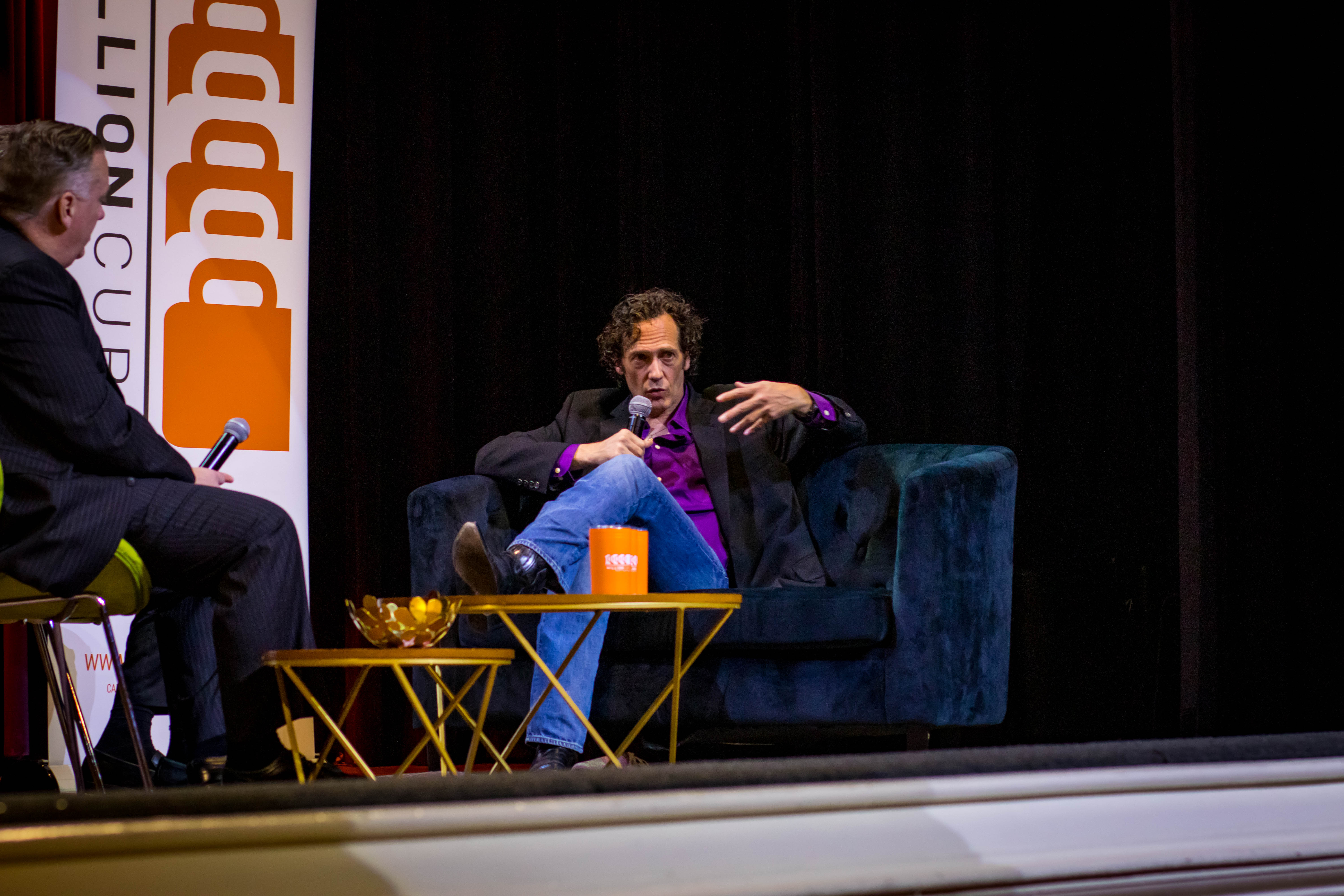 1 Million Cups, Kansas City (wide) · 6000 × 4000
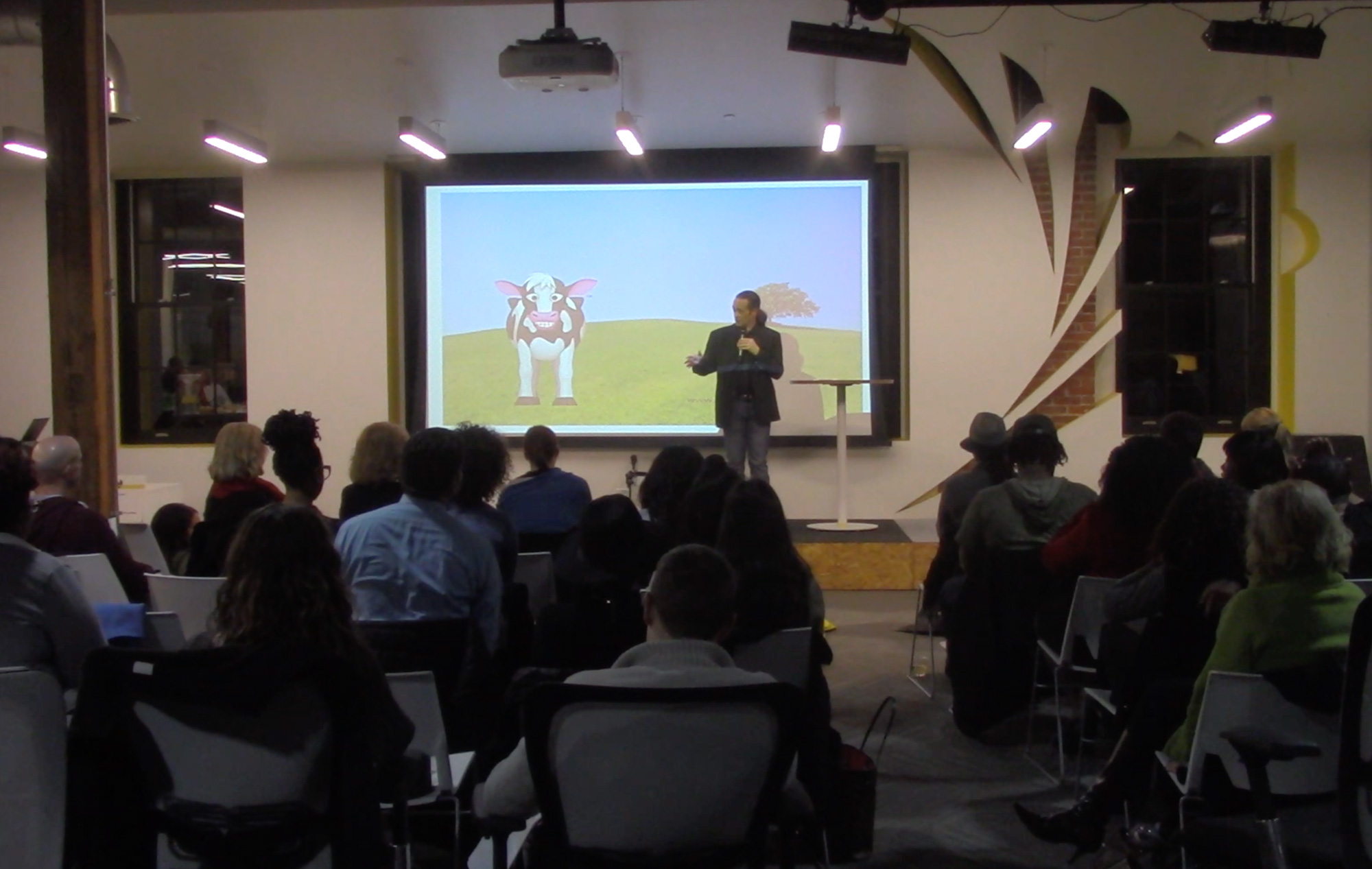 Presenting to a full room · 2000 × 1267
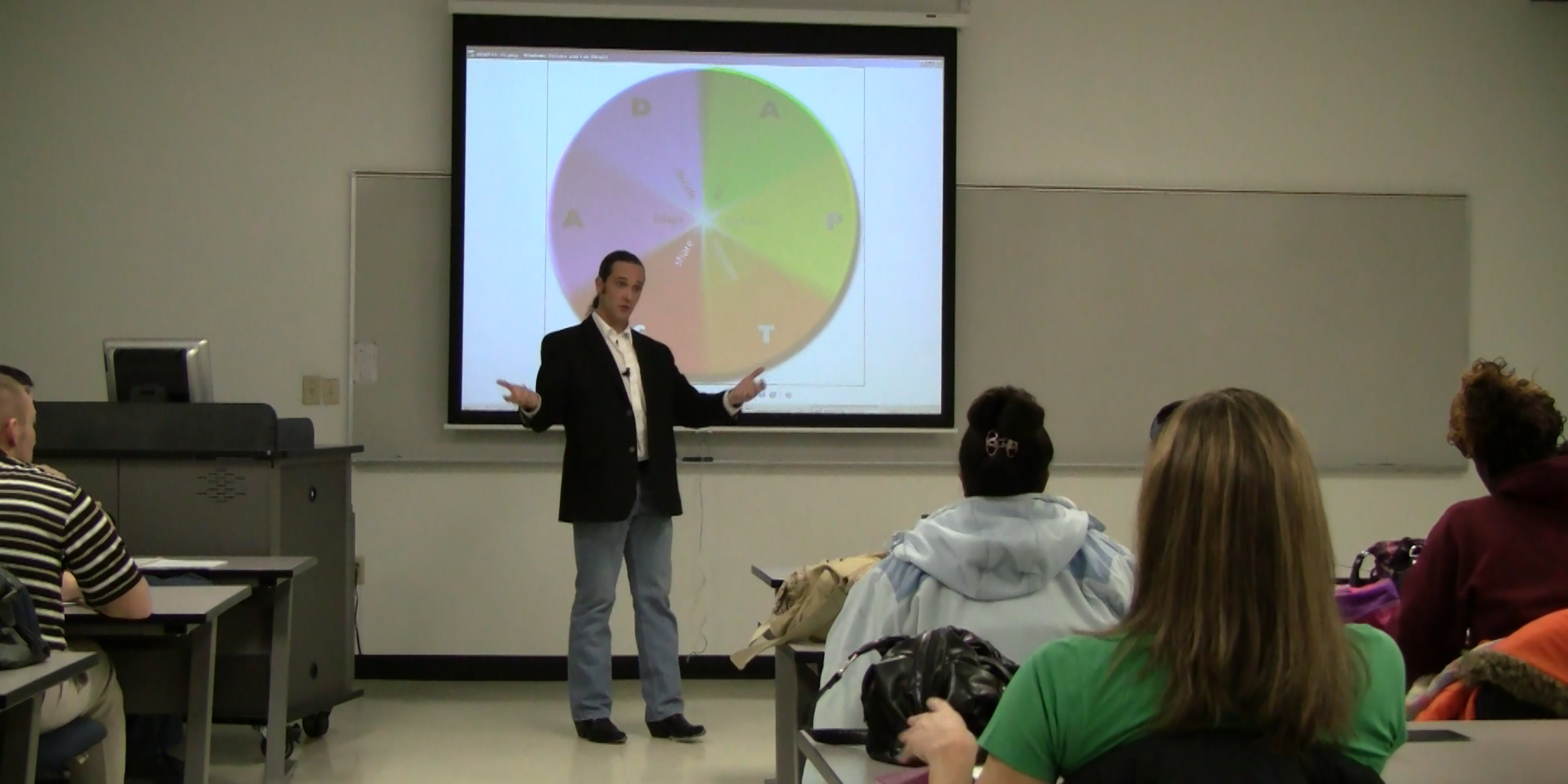 Teaching budding research methodologists · 3000 × 1500
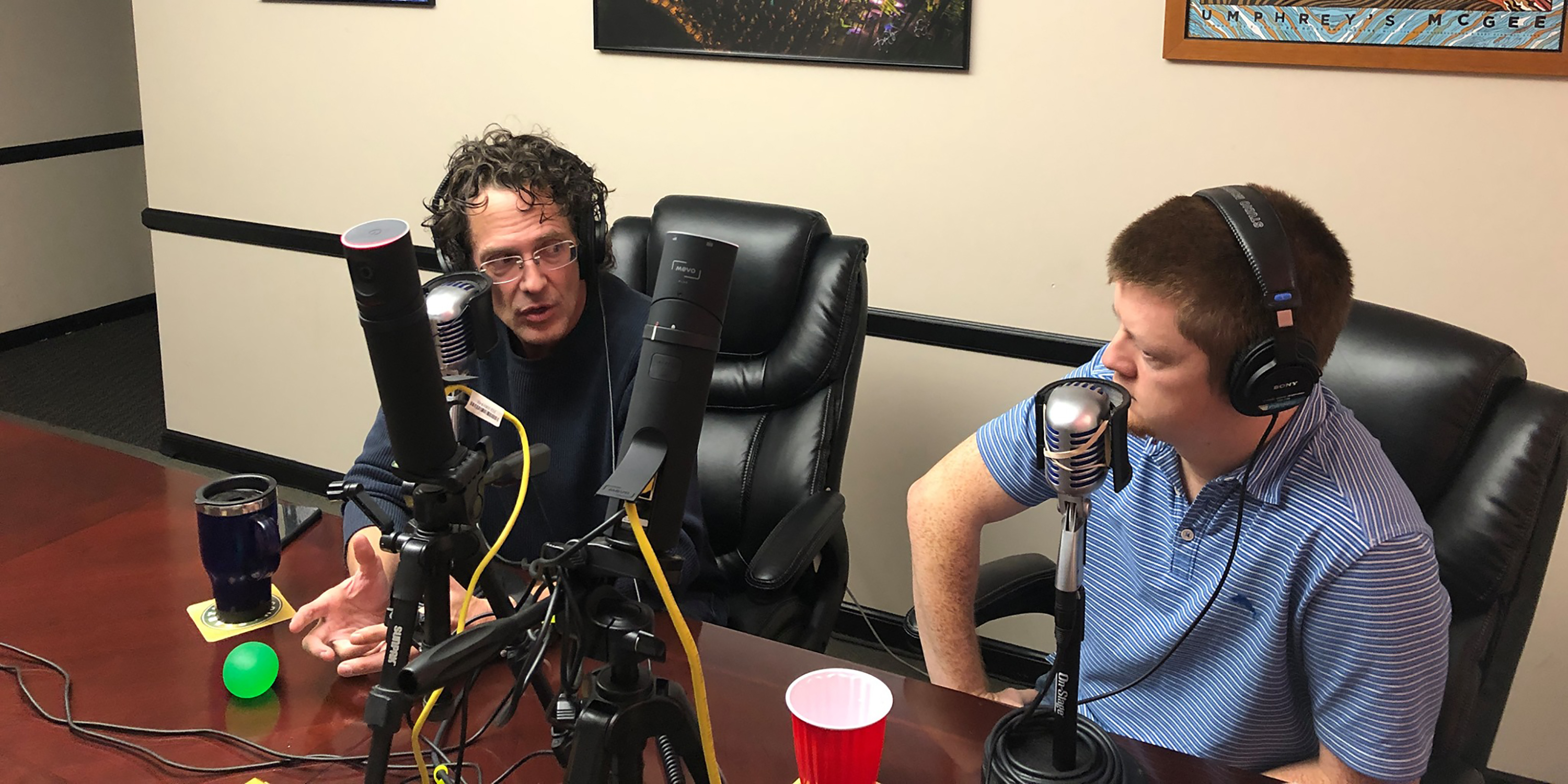 In the studio with Startup Hustle · 3000 × 1500
Credit: Courtesy of Dr. Kevin J. Payne.
Booking details
Format
- Remote: podcast, video, radio, print, and live-stream interviews.
- In person: studio interviews in the Kansas City area.
- Setup: broadcast microphone, HD camera, wired gigabit fiber connection.
- Time zone: Central (US).
- Book: inquiry@yourlifelivedwell.com
Good to know
- Dr. Payne talks openly about living with MS.
- He isn’t a physician and doesn’t give medical advice. His focus is quality of life and health, of which medicine is one factor; the framework complements clinical care rather than replacing it.
- Comfortable with live formats, call-ins, and panels. He grew up on stage.
- Can supply data points, framework graphics, and pull quotes on request.
Interview and review-copy requests
Subject line: “Media request: The Edge.”
Speaking inquiries: inquiry@yourlifelivedwell.com · yourlifelivedwell.com